
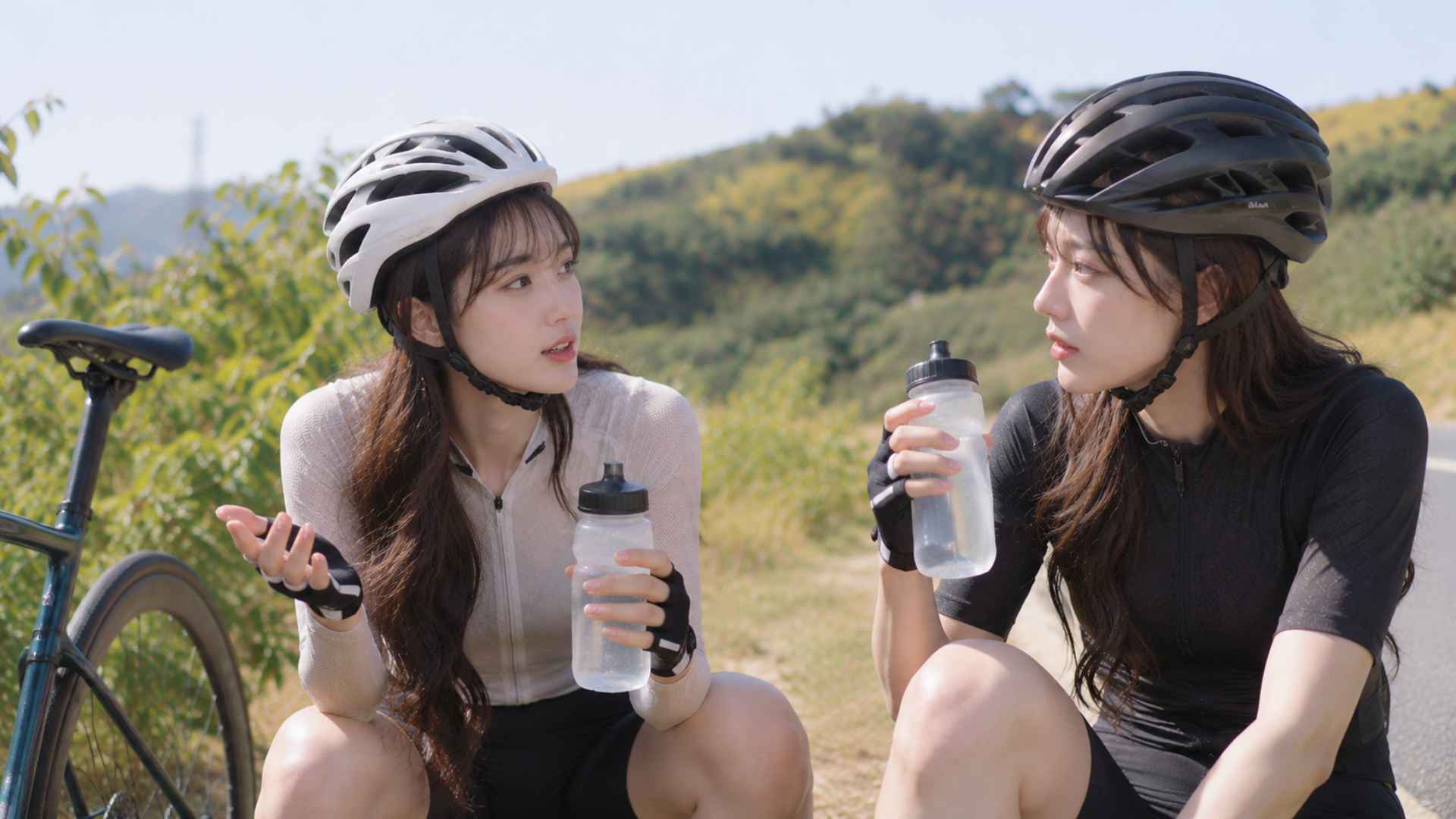
Cycling through warm regions can be an exciting experience, offering beautiful landscapes, quiet country roads, and opportunities to explore new places. However, riding in hot weather also puts extra demands on the body, especially when it comes to staying hydrated. High temperatures, direct sunlight, and physical effort can cause cyclists to lose more water through sweat than they might during rides in cooler conditions. Without proper hydration, even a familiar cycling route can become exhausting and uncomfortable.
For cyclists traveling across warm destinations, drinking enough water is not something to consider only when feeling thirsty. It requires a simple routine that starts before the ride and continues throughout the journey. Building good hydration habits helps maintain energy, supports normal body functions, and makes long distance cycling more manageable. With a little preparation, riders can enjoy warmer routes while reducing the risk of dehydration and heat related problems.
Understanding How Hot Weather Affects Hydration During Cycling
When cycling in warm weather, the body works harder to control its internal temperature. As muscles produce heat during exercise, the body releases sweat to help cool itself down. This natural process becomes more noticeable when temperatures and humidity levels are high. Since sweat contains both water and electrolytes, particularly sodium, prolonged sweating can affect the body’s fluid balance if these losses are not replaced.
The amount of fluid a cyclist needs depends on several factors, including body size, exercise intensity, weather conditions, and individual sweat rate. Some riders may lose relatively little fluid during a short morning ride, while others can sweat heavily during an afternoon journey. High humidity can also make cooling less effective because sweat evaporates more slowly. Understanding these differences is important because there is no single hydration amount that works for every cyclist. Paying attention to personal needs is a more practical approach than following a fixed drinking schedule without considering the conditions.
Building Smart Hydration Habits Before and During Your Ride
A good hydration routine should begin before getting on the bicycle. Drinking water regularly throughout the day helps maintain normal fluid levels before physical activity starts. Cyclists should avoid waiting until they feel thirsty to begin drinking, especially when planning a long journey through sunny or humid areas. Having water with breakfast and drinking small amounts during the hours leading up to a ride can be helpful. However, drinking excessive amounts in a short period is unnecessary and may cause discomfort. The goal is to start the journey normally hydrated rather than trying to compensate at the last minute.
During the ride, carrying enough fluids is essential, particularly when traveling through remote areas where shops and refill stations may be limited. A practical habit is to take regular small drinks instead of waiting until the mouth feels dry or thirst becomes intense. The required amount will vary depending on the weather and riding effort, so cyclists should adjust their intake accordingly. For longer journeys, two water bottles or a hydration backpack can provide additional capacity. Planning refill stops before departure also reduces the chance of running out of drinking water in unfamiliar locations.
Choosing the Right Drinks and Recognizing Signs of Dehydration
Plain water is generally suitable for shorter rides and everyday hydration. However, cyclists who spend several hours riding in hot conditions may also need to replace electrolytes lost through sweating. Sodium is particularly important because it helps regulate fluid balance and supports normal muscle and nerve function. An electrolyte drink can be useful during prolonged exercise, especially when sweating heavily. Sports drinks may also contain carbohydrates that provide energy during longer rides. Still, they are not necessary for every cycling session, and water remains a suitable choice for many shorter trips.
Food can also contribute to hydration while traveling by bicycle. Fruits such as watermelon, oranges, and strawberries contain significant amounts of water and provide useful nutrients. Vegetables such as cucumber also offer additional fluid. Including these foods in meals and snack breaks can support an overall hydration routine. For cyclists exploring warm regions, locally available fresh fruit can be a convenient option during rest stops. However, food should complement regular drinking rather than replace the need for sufficient fluids, particularly during demanding rides in hot weather.
Recognizing early signs of dehydration is another important habit. Common symptoms include unusual thirst, a dry mouth, darker urine, headaches, fatigue, and reduced exercise performance. More serious heat related warning signs can include dizziness, nausea, confusion, and fainting. Cyclists experiencing these symptoms should stop riding, move to a cooler or shaded area, and begin cooling down. Confusion or fainting in hot conditions requires urgent medical attention because it may indicate a serious heat related illness. Riders should never try to push through severe symptoms simply to reach their destination. Taking breaks, wearing breathable clothing, choosing cooler riding hours, and planning routes with reliable water access can make warm weather cycling safer and more enjoyable.