
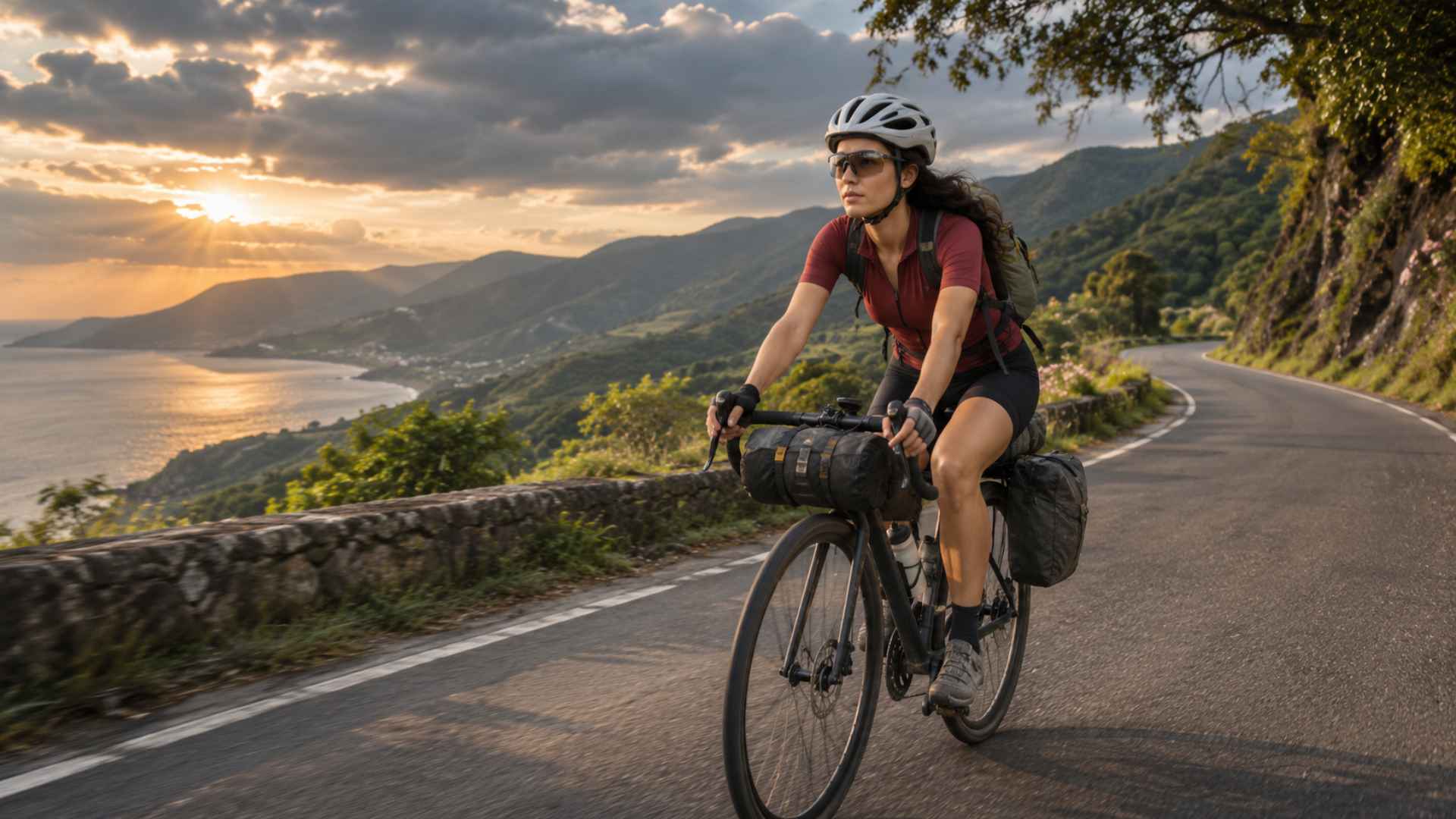
Long distance cycling places repeated demands on the hands, shoulders, back, hips, and legs. Even a well conditioned rider can become uncomfortable when the bicycle requires an awkward posture for several hours. Frame geometry influences where the saddle and handlebars can sit, how weight is distributed, and how the bike responds to steering. These characteristics matter especially when the route includes rough roads, loaded bags, or several consecutive days in the saddle.
Bicycle fit starts with the rider’s body rather than a frame size printed on a label. Two bicycles described as medium can have notably different handlebar heights and reach. Adjustable components can help refine a position, but they cannot always compensate for a frame that is fundamentally too long or too low. Looking at geometry numbers gives a clearer picture of those limits before considering stems, spacers, or seatposts.
Comfort also depends on factors beyond the frame. Tire width and pressure, saddle shape, handlebar design, clothing, and time spent adapting to a position all contribute to fatigue. Geometry is important because it establishes the underlying posture and handling behavior. It should be evaluated as part of a system rather than treated as a single measurement that guarantees a pleasant ride.
Stack and Reach in Rider Position
Stack is the vertical distance from the bottom bracket center to a defined point at the top of the head tube. Reach is the horizontal distance between those points. Together, they describe the front end dimensions more consistently than traditional seat tube length alone. A taller stack can make a higher handlebar position easier to achieve, while a longer reach generally calls for a more extended upper body posture.
The final contact points still depend on the stem, handlebar, saddle, and adjustment range. Riders who must stretch too far may experience excess pressure on their hands or tension through the shoulders. Setting the bars unnecessarily low can also demand more flexibility than a person can sustain comfortably. A position appropriate for short races may be tiring on a loaded tour, even when it feels efficient during a brief test ride.
Wheelbase, Steering Trail, and Stability
Wheelbase measures the distance between the front and rear wheel axles. Longer wheelbases often contribute to a settled feel and can provide useful clearance for luggage, although handling depends on several dimensions together. Steering trail, influenced by head tube angle, fork offset, and wheel size, affects how the front wheel tends to align with the direction of travel. Neither measurement should be judged independently of the complete design.
Touring bicycles commonly favor predictable behavior when loaded rather than the quick responses valued in some racing setups. Front and rear bags change weight distribution, which can alter steering feel and traction. Chainstay length also affects heel clearance around panniers. Riders should assess handling with realistic luggage, because an unloaded bicycle may feel noticeably different once it carries camping equipment, clothing, and water.
Fit Adjustments That Support Endurance
Saddle height and fore aft position affect pedaling mechanics and the rider’s relationship to the handlebars. Excessive height may encourage hip rocking or overreaching at the bottom of the pedal stroke, while a very low saddle can change knee loading. Small adjustments are easier to evaluate than several simultaneous changes. Persistent numbness or pain deserves attention rather than being accepted as an unavoidable feature of distance cycling.
Contact points deserve similar care. Wider tires at appropriate pressure can reduce road vibration, provided frame clearance and tire specifications allow them. Handlebar shapes with several hand positions offer opportunities to redistribute pressure during a long day. Padded tape, suitable gloves, and periodic posture changes may help, but none should be expected to correct major problems caused by an unsuitable frame size.
The most useful geometry is the one that lets a rider maintain control and a sustainable position over the intended terrain. Measurements provide a starting point, while test rides reveal whether the posture remains comfortable beyond the first few minutes. When fit, handling, luggage placement, and tire setup work together, the bicycle demands less unnecessary effort. That makes it easier to focus on distance and road conditions instead of constant physical discomfort over an extended journey.