
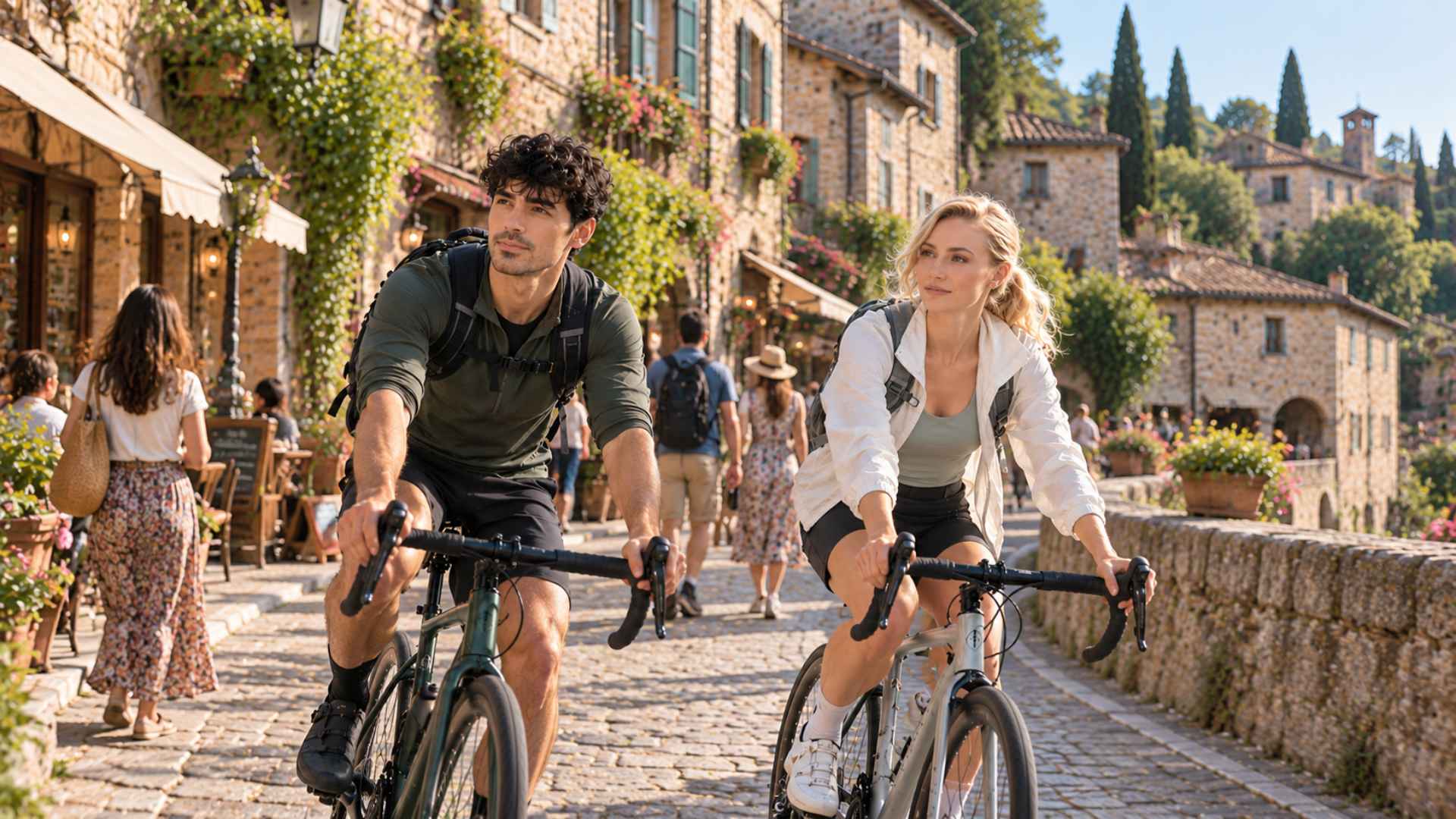
A cycling holiday offers a refreshing way to experience new destinations, enjoy beautiful landscapes, and spend quality time outdoors. Unlike conventional trips that rely on cars or public transportation, cycling allows travelers to appreciate the surroundings at a slower pace. From quiet countryside roads to scenic coastal routes, every journey provides opportunities to experience local culture, discover charming villages along the way, and create lasting memories. However, making the most of a cycling adventure requires more than choosing an attractive destination and preparing a bicycle. Small daily habits can significantly influence how comfortable, enjoyable, and rewarding the entire experience becomes.
Planning simple routines before and during the trip can help cyclists maintain their energy, avoid unnecessary stress, and enjoy every moment on the road. Whether traveling alone, with friends, or with family, establishing a balanced approach makes it easier to manage physical demands while leaving room for spontaneous experiences. These routines do not need to be complicated or time-consuming. Instead, they should support a relaxed travel rhythm that combines physical activity, sightseeing, and proper rest. With a little preparation and a flexible mindset, cycling holidays can become more enjoyable, sustainable, and memorable for riders of different experience levels.
Plan Your Cycling Holiday With a Comfortable Daily Rhythm
A successful cycling holiday begins with a realistic itinerary. Although it can be tempting to cover as much distance as possible, ambitious schedules may leave travelers feeling exhausted before they have fully enjoyed their surroundings. Choosing daily distances that match your fitness level, cycling experience, and terrain is a better approach. Beginners may prefer shorter routes with gentle climbs, while experienced riders might enjoy longer journeys through varied landscapes. It is also important to consider weather conditions, road surfaces, and the amount of time needed for meals and sightseeing. A flexible itinerary creates space for unexpected delays without turning a relaxing vacation into a race against the clock.
Another useful routine is reviewing the route each evening before the next day’s ride. Check the expected distance, elevation changes, available rest stops, and nearby places to eat or refill water bottles. Downloading offline maps can be particularly helpful when mobile reception is unreliable in rural areas. Travelers should also identify alternative routes in case of heavy rain, road closures, or unexpected fatigue. Keeping these details organized reduces decision-making during the ride and allows cyclists to focus on the experience itself. Most importantly, leave enough free time to enjoy interesting places along the way, because memorable cycling holidays often come from unplanned stops rather than reaching a destination as quickly as possible.
Prepare Your Body Before Every Ride
Physical preparation does not have to involve an intensive training program. Simple activities such as gentle stretching, a short warm-up, and a few minutes of easy pedaling can help the body transition into the day’s activity. Pay particular attention to the shoulders, hips, calves, and lower back, which may become uncomfortable during extended periods in the saddle. Wearing suitable cycling clothing and adjusting the saddle height can also improve comfort throughout the journey. Riders should avoid pushing themselves too hard at the beginning of the day, especially when the route includes steep climbs or long distances. Starting at a manageable pace helps conserve energy and makes the entire ride feel less demanding.
Build Healthy Habits Into Your Cycling Routine
Maintaining steady energy levels is essential for enjoyable cycling holidays, particularly when traveling across unfamiliar terrain. Regular hydration, balanced meals, and short recovery breaks can make a noticeable difference in how riders feel throughout the day. Instead of waiting until thirst or hunger becomes uncomfortable, drink water regularly and carry convenient snacks such as bananas, nuts, or energy bars. A nutritious breakfast containing carbohydrates and protein can provide a useful foundation for the ride ahead. These everyday habits help cyclists remain comfortable and alert while reducing the likelihood of fatigue interrupting their plans.
Stay Hydrated and Eat at Regular Intervals
Cycling increases fluid requirements, especially in warm weather or on routes with limited shade. Carry enough water for the expected distance and identify opportunities to refill bottles along the way. Eating small snacks at regular intervals can also help maintain energy during longer rides. For a proper lunch, choose meals that provide carbohydrates, protein, and other essential nutrients rather than relying entirely on sugary snacks. Local cafés and traditional food markets can offer convenient places to refuel while experiencing regional cuisine. Paying attention to hydration and nutrition allows travelers to enjoy the journey without making every stop feel like an emergency recovery break.
Take Short Breaks to Protect Your Energy
Regular breaks are an important part of a sustainable cycling routine. Even when the route feels manageable, stopping briefly every so often gives cyclists an opportunity to stretch, drink water, and relax their hands and shoulders. Choose comfortable locations away from moving traffic, such as designated rest areas, shaded parks, or quiet village squares. These pauses can also become some of the most enjoyable moments of the holiday, providing time to take photographs, appreciate the scenery, or chat with fellow travelers. Rather than viewing breaks as wasted time, treat them as an essential part of the adventure that helps maintain enthusiasm for the next section of the ride.
Check Your Bicycle Before Setting Off
A quick bicycle inspection each morning can prevent minor mechanical problems from disrupting the trip. Check tire pressure, test the brakes, and make sure the chain is reasonably clean and lubricated. Confirm that lights, gears, and other essential components are functioning properly before leaving your accommodation. Carrying a basic repair kit, tire levers, a spare tube, and a portable pump can provide peace of mind when cycling far from repair shops. Riders using rental bicycles should report any unusual noises or handling problems before starting their journey. This simple routine takes only a few minutes but can reduce avoidable interruptions and make long-distance cycling feel more secure.
Make Time for Rest and Enjoy the Journey
Rest is just as important as preparation when planning enjoyable cycling holidays. After a full day on the road, allow enough time for a proper meal, gentle stretching, and a comfortable night’s sleep. Avoid scheduling demanding rides on consecutive days if your body needs additional recovery time. Choosing accommodation with secure bicycle storage, comfortable beds, and convenient access to food can make daily recovery easier. If your itinerary includes several challenging stages, consider incorporating a rest day for sightseeing or light walking. A balanced schedule helps prevent accumulated fatigue and allows travelers to maintain their enthusiasm throughout the trip.
Equally important is maintaining a relaxed attitude toward the journey. Not every cycling day needs to involve impressive distances, difficult climbs, or carefully planned activities. Some of the most rewarding experiences happen when riders slow down to enjoy a riverside view, stop at a family-run café, or spend extra time in a village that was not originally part of the itinerary. Taking photographs, keeping a simple travel journal, or sharing memorable moments with companions can make these experiences even more meaningful. By combining practical routines with flexibility, cyclists can create a holiday that feels adventurous without becoming exhausting. Ultimately, the best cycling trips are not measured only by kilometers covered, but by the comfort, enjoyment, and meaningful memories gained along the way.