
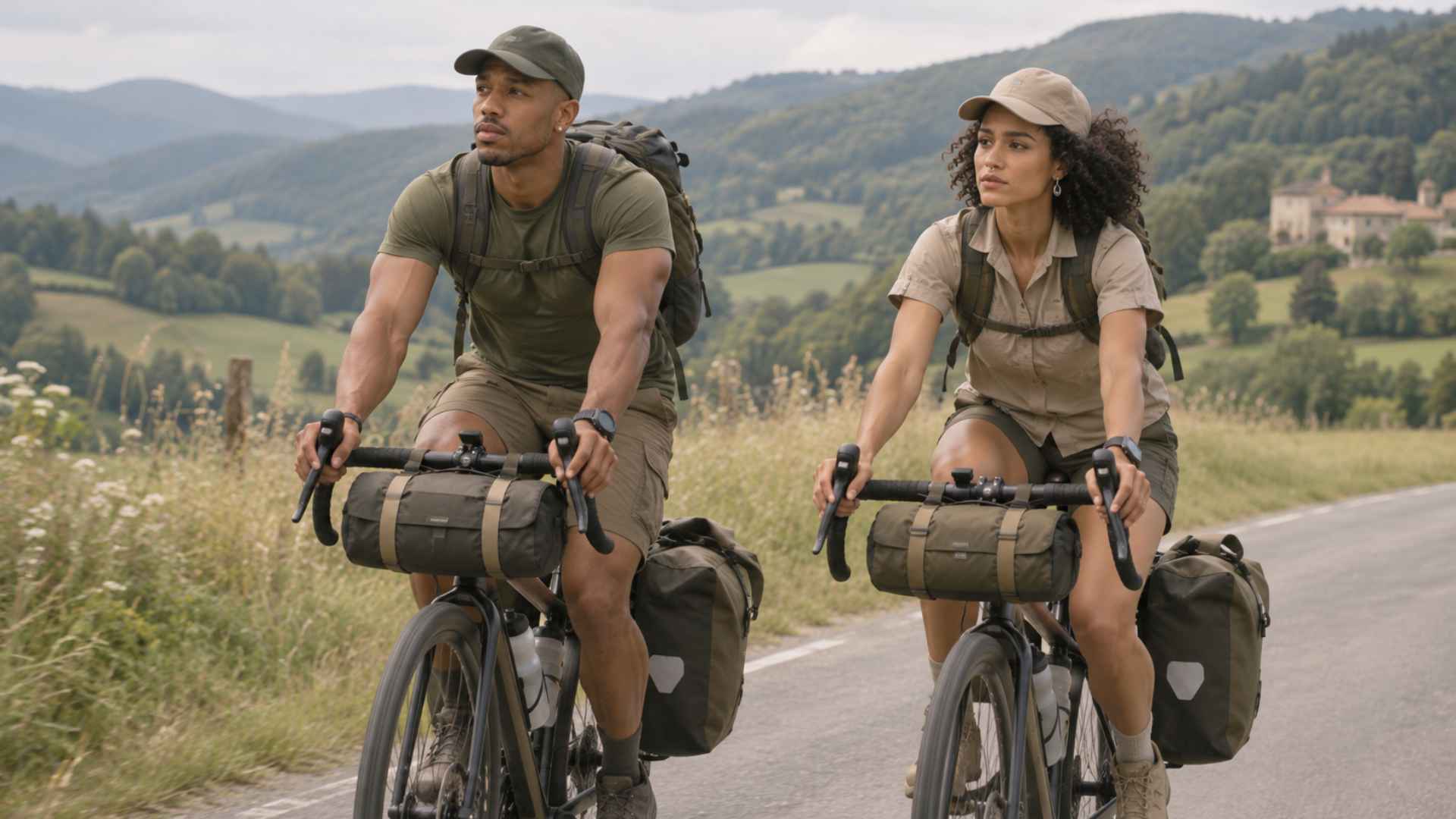
A multi day bicycle tour connects several days of travel through a continuous route, with overnight stops at campsites, guesthouses, or other accommodation. Unlike a single day ride, the distance must remain manageable across consecutive stages. A relaxed itinerary gives cyclists time for meals, short visits, and unexpected delays without the pressure of a fixed speed target. The journey may follow paved cycle paths, rural roads, or mixed surfaces, depending on local infrastructure and bicycle suitability. The main distinction is the emphasis on consistent travel and adequate recovery rather than maximum distance.
Bicycle tours generally fall into two categories: self supported trips, where cyclists carry their own equipment, and supported tours, where an operator or vehicle may transport luggage. Both formats can accommodate a slower pace. The amount of equipment, road conditions, elevation, weather, and previous cycling experience all influence daily progress. A route that appears short on a map may still require several hours if it includes steep climbs or rough terrain. For that reason, a useful itinerary considers available daylight, rest opportunities, and access to food and water alongside the total distance.
Daily Distances and a Comfortable Cycling Pace
There is no single daily distance suitable for every bicycle tourist. Adventure Cycling Association classifies its gentlest guided tours at an average of less than 35 miles, or about 56 kilometers, per day. This provides a reference point rather than a universal target. A new cyclist may prefer 25 to 40 kilometers on relatively level ground, while an experienced rider may cover substantially more with similar comfort. The weight of luggage, headwinds, surface condition, and cumulative fatigue deserve as much attention as physical fitness. Daily targets should reflect actual practice rides rather than optimistic estimates.
Time calculations also need room for stops. At an average moving speed of 12 kilometers per hour, a 36 kilometer stage requires three hours of actual cycling. Meals, photographs, route checks, and mechanical adjustments extend the overall travel time. An early departure can leave time for a slower afternoon and a comfortable arrival before dark. Elevation gain is another important measure, since a short mountain stage can demand more effort than a longer flat section. On tours of several days, a shorter stage after a demanding route may help prevent fatigue from accumulating.
Route Selection and Bicycle Preparation
Suitable routes prioritize predictable surfaces, manageable gradients, and practical overnight locations. Separated cycle paths can reduce interaction with motor traffic, although cyclists must still observe crossings, pedestrians, and local rules. Where dedicated paths are unavailable, quiet roads may offer a better alternative than busy highways. Before departure, a route review should identify places for water refills, food purchases, accommodation, and transport connections. Offline maps provide a useful backup in areas with limited mobile reception. Weather forecasts and seasonal daylight hours should be checked because rain, heat, and wind can affect the schedule.
A touring bicycle does not always need specialized components, but it must fit the rider and handle the intended load safely. Tire condition, brake performance, chain operation, lights, and secure luggage attachments should be checked before departure. Panniers mounted on suitable racks and frame mounted bags are common options. A basic repair kit normally includes a pump, tire levers, a spare tube or appropriate tubeless repair supplies, and a multi tool. A short trial ride with fully packed bags can reveal unstable weight distribution, uncomfortable contact points, or loose fittings before these problems interrupt the trip.
Comfort, Safety, and Recovery Across Several Days
Moderate effort is usually easier to maintain than frequent bursts of high speed. One practical indication is the talk test: during moderate aerobic activity, a person can generally speak in sentences but cannot comfortably sing. This is an approximate guide, since individual fitness levels differ. Cyclists should adjust effort on steep climbs and in hot conditions rather than force a uniform speed. Regular meals and accessible snacks help replace energy used during prolonged activity. Water needs vary with temperature, effort, humidity, and individual sweat rates, so planned refill opportunities are more reliable than a fixed universal quantity.
Comfort depends on bicycle fit and appropriate rest as well as stamina. Saddle height, handlebar position, and luggage placement affect pressure on the hands, shoulders, and lower body. Short breaks allow riders to change posture and check for discomfort before it becomes persistent. Clean, dry clothing and weather appropriate layers can improve comfort during long days outdoors. Adequate sleep is particularly valuable when the itinerary includes consecutive stages. Persistent pain, dizziness, or unusual exhaustion are reasons to reduce effort or stop, not signals to compensate with a higher pace later.
A flexible schedule supports both safety and local experiences. Cyclists can allocate time for markets, historic areas, scenic viewpoints, and meals without treating each stop as a delay. In a group, pace decisions should reflect the least experienced rider, with clear agreements about rest points and road communication. Basic courtesy also matters: follow access restrictions, respect residents, and leave campsites clean. Some days may end earlier than planned because of weather or mechanical faults. An alternative overnight stop or transport option keeps a minor change from becoming a serious problem. The value of a relaxed bicycle tour lies in a route that remains practical, enjoyable, and sustainable across the entire journey.