
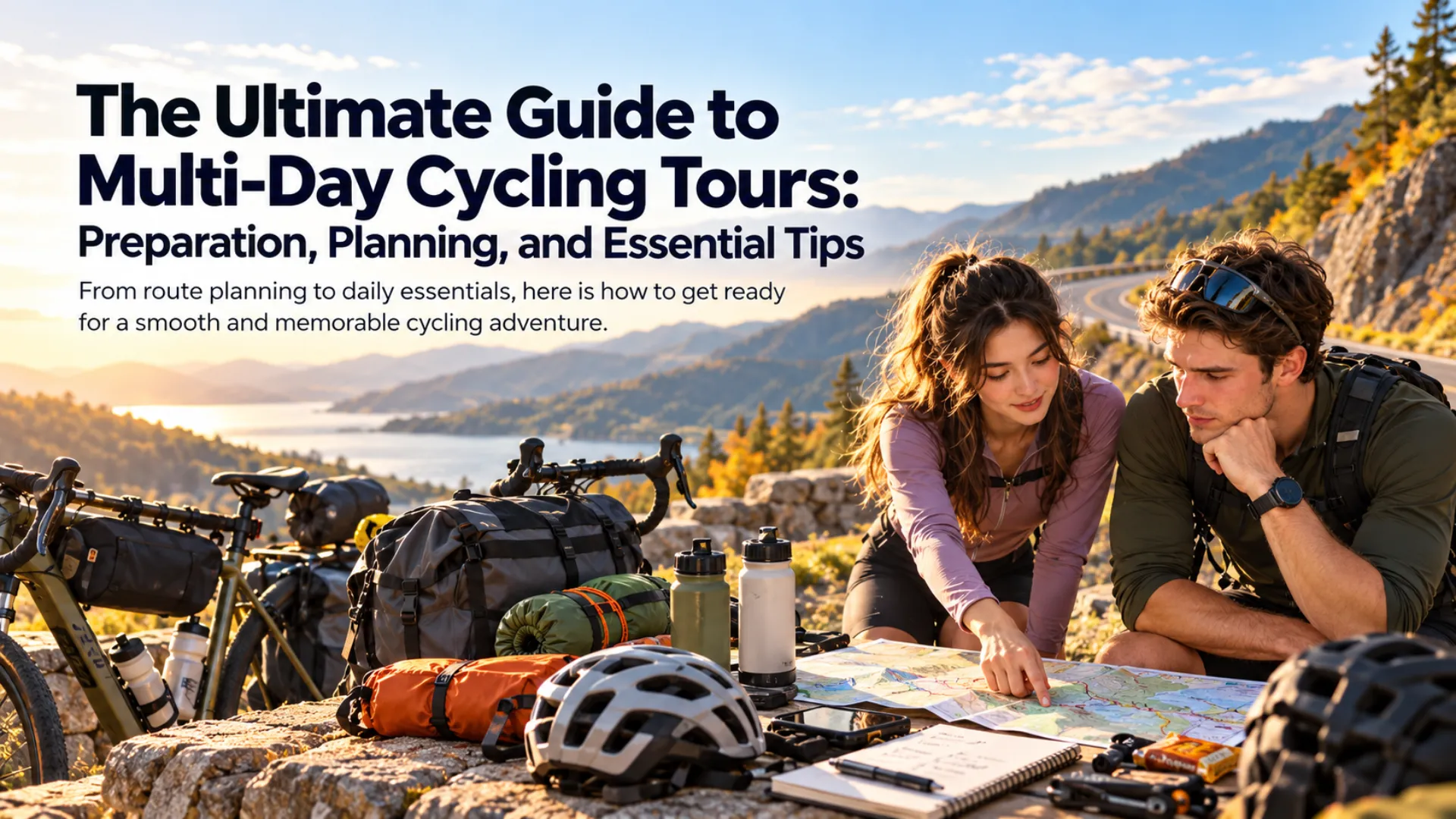
Multi-day cycling tours offer a unique way to explore new destinations while combining physical activity, outdoor adventure, and personal achievement. Unlike short recreational rides, long-distance bicycle journeys require participants to spend several consecutive days traveling through different landscapes and road conditions. These adventures can take cyclists through quiet countryside, scenic mountain roads, small towns, and peaceful rural communities. With proper planning and preparation, a multi-day cycling trip can become one of the most memorable experiences for outdoor enthusiasts.
The appeal of bicycle touring extends beyond completing a particular distance or reaching a final destination. Traveling by bicycle allows riders to experience their surroundings at a slower pace and discover places that might otherwise go unnoticed. It also provides opportunities to connect with fellow cyclists, develop endurance, and gain confidence in handling unfamiliar routes. Understanding the practical aspects of long-distance cycling is an important first step toward enjoying a successful journey.
Understanding the Challenges of Multi-Day Bicycle Touring
A multi-day bicycle tour presents physical and logistical challenges that differ considerably from an ordinary weekend ride. Cyclists must manage their energy across several days rather than concentrating all their effort on a single outing. Factors such as elevation changes, weather conditions, road surfaces, and daily mileage can influence the difficulty of the journey. Even experienced recreational riders may find that consecutive days of cycling require adjustments to their usual habits.
One of the most important considerations is the cumulative effect of riding for extended periods. Muscle fatigue, saddle discomfort, and insufficient recovery can gradually affect performance as the tour progresses. Carrying additional equipment or encountering unexpected terrain can also increase physical demands. Preparing for these challenges helps riders maintain a comfortable pace and enjoy the experience rather than focusing entirely on completing the distance.
Building Endurance Before a Long-Distance Cycling Trip
Developing cardiovascular endurance is an essential part of preparing for a bicycle tour that lasts several days. Riders benefit from gradually increasing their weekly cycling distance while allowing sufficient time for recovery. Consistent training helps the body adapt to prolonged physical activity and improves confidence when facing longer routes. A balanced approach is generally more sustainable than attempting unusually demanding rides without adequate preparation.
Training should also reflect the conditions expected during the planned journey. Cyclists preparing for hilly routes may benefit from incorporating climbing sessions into their regular rides. Those expecting long days on relatively flat roads can focus on maintaining a comfortable effort over extended distances. Including different types of terrain helps participants become more adaptable when encountering changing conditions.
Why Consecutive Training Rides Are Important
Completing one long ride does not necessarily demonstrate readiness for several days of continuous cycling. Back-to-back training rides allow cyclists to understand how their bodies respond when recovery time is limited. These sessions can reveal issues with pacing, equipment comfort, nutrition, and hydration that may not appear during shorter outings. Recognizing these challenges before departure creates opportunities to make useful adjustments.
A practical training approach involves starting with manageable distances on consecutive days and increasing the workload gradually. Riders should pay attention to fatigue levels, muscle soreness, and their ability to maintain consistent effort. Rest days remain important because recovery supports physical adaptation and helps reduce the risk of overuse injuries. The objective is to develop sustainable endurance rather than achieve maximum speed during every session.
Choosing the Right Bicycle and Equipment
Selecting appropriate equipment can significantly influence comfort and reliability during a long-distance cycling journey. A bicycle should suit the expected terrain, the rider’s physical proportions, and the amount of luggage being transported. Road bicycles, touring bicycles, and gravel bicycles can each be suitable for different types of routes. The best choice depends on practical requirements rather than appearance or popularity alone.
Before departure, cyclists should inspect important components such as brakes, tires, chains, gears, and wheel condition. Mechanical problems that seem minor during everyday rides may become more inconvenient when traveling far from familiar repair facilities. Carrying basic maintenance supplies can help riders handle common issues without abandoning their plans. A properly maintained bicycle provides greater confidence when covering substantial distances.
Essential Items to Pack for a Cycling Tour
Packing efficiently requires balancing preparedness with the limitations of available storage space. Common essentials include weather-appropriate clothing, a tire repair kit, spare tubes or suitable repair supplies, a pump, navigation tools, and personal identification. Cyclists should also carry enough food and water to reach the next reliable resupply location. The specific equipment needed will depend on the route, accommodation arrangements, and available support services.
Clothing deserves particular attention because weather conditions may change throughout a long cycling day. Lightweight layers can help riders adjust to temperature differences without carrying unnecessarily bulky items. Padded cycling shorts, comfortable gloves, and suitable footwear may also improve comfort during extended periods on the bicycle. Organizing frequently used items in accessible locations makes roadside stops more convenient and efficient.
Planning Routes and Managing Daily Distances
Thoughtful route planning is one of the foundations of a successful multi-day bicycle adventure. Cyclists should consider road conditions, traffic patterns, elevation profiles, accommodation options, and access to essential services. A route that appears manageable based on distance alone may be considerably more demanding when steep climbs or difficult surfaces are involved. Reviewing these details in advance can help prevent unrealistic expectations.
Daily mileage should reflect the abilities and experience of the riders involved. Some cyclists enjoy covering long distances each day, while others prefer shorter stages that provide more opportunities for sightseeing and relaxation. Scheduling regular stops can make the journey more comfortable and allow time for meals, photographs, and unexpected delays. Flexible planning is particularly valuable when traveling through unfamiliar areas.
How to Find Cyclist-Friendly Roads
Choosing suitable roads can improve both safety and enjoyment during bicycle touring. Routes with lower traffic volumes, reasonable speed limits, and adequate visibility are often preferable to heavily traveled highways. Dedicated cycling paths and established bicycle routes may provide useful alternatives where they are available. However, riders should verify current access rules and surface conditions before relying on a particular route.
Digital navigation tools can assist with planning, but they should not replace awareness of actual road conditions. Construction work, temporary closures, and unexpected detours may require adjustments during the journey. Downloading offline maps can be helpful in areas with limited mobile connectivity. Having an alternative route or nearby stopping point in mind provides additional flexibility when plans change.
Nutrition, Hydration, and Recovery During the Ride
Long-distance cycling increases the importance of maintaining adequate energy and hydration throughout the day. Riders need to replace fluids and consume sufficient food to support continued physical activity. Eating regularly can help prevent large drops in energy that make later stages feel unnecessarily difficult. Individual needs vary according to factors such as effort, temperature, body size, and riding duration.
Recovery becomes especially important when another full day of cycling is scheduled for the following morning. Getting enough sleep, eating balanced meals, and allowing time to relax can help support the body’s natural recovery process. Cyclists should also pay attention to persistent discomfort that may indicate an equipment problem or excessive physical strain. Adjusting the next day’s intensity or taking additional rest can be more beneficial than continuing through worsening symptoms.
Road Safety and Responsible Group Cycling
Safety should remain a priority throughout every stage of a long-distance bicycle tour. Riders need to follow applicable traffic regulations, communicate their intentions clearly, and remain attentive to surrounding vehicles and road users. Appropriate lighting, visible clothing, and a properly fitted helmet are important considerations for many cycling environments. Weather conditions and reduced visibility may require additional caution or changes to the planned schedule.
Group cycling introduces extra responsibilities because participants must remain aware of one another. Clear communication helps riders identify approaching hazards, upcoming turns, and changes in speed. Maintaining appropriate spacing reduces the likelihood of sudden braking or overlapping wheels causing collisions. Groups should also establish reasonable expectations about pace, regrouping locations, and how to respond if someone experiences mechanical difficulties.
The Benefits of Exploring New Places by Bicycle
Bicycle touring offers a different perspective on travel because cyclists experience the landscape directly rather than observing it through a vehicle window. The slower pace makes it easier to notice local architecture, natural scenery, roadside attractions, and small communities. Short stops can become meaningful parts of the journey rather than interruptions to a fixed itinerary. These experiences often contribute as much to the memories of a tour as the distance completed.
Traveling through different regions also encourages an appreciation for geographic and cultural variety. A single journey may include agricultural areas, forested roads, river valleys, historic towns, and changing natural environments. Cyclists can support local communities by visiting small businesses, using local accommodations, and respecting public spaces. Responsible travel practices help preserve the places that make bicycle touring rewarding.
Why Group Bicycle Tours Create Lasting Memories
Participating in an organized or informal group ride can add a valuable social dimension to long-distance cycling. Riders with different backgrounds and experience levels share the challenges of navigating routes, managing fatigue, and reaching daily destinations. Conversations during rest stops and shared experiences on the road can create friendships that continue beyond the journey. This sense of community is one reason many cyclists return to multi-day touring.
Group adventures can also provide encouragement during physically demanding stages. Seeing fellow participants overcome difficult climbs or complete personal distance goals may inspire others to continue at a sustainable pace. Shared achievements often become important memories, particularly when the journey involves several days of effort. The combination of individual accomplishment and collective experience gives group cycling tours a distinctive appeal.